El Salvador’s Legislative Assembly has passed a controversial law imposing a 30% tax on foreign donations received by non-governmental organizations (NGOs), a move that critics warn could restrict civil society operations and funding. The legislation, approved with 57 votes in favor and only three against, is set to take effect eight days after its official publication.
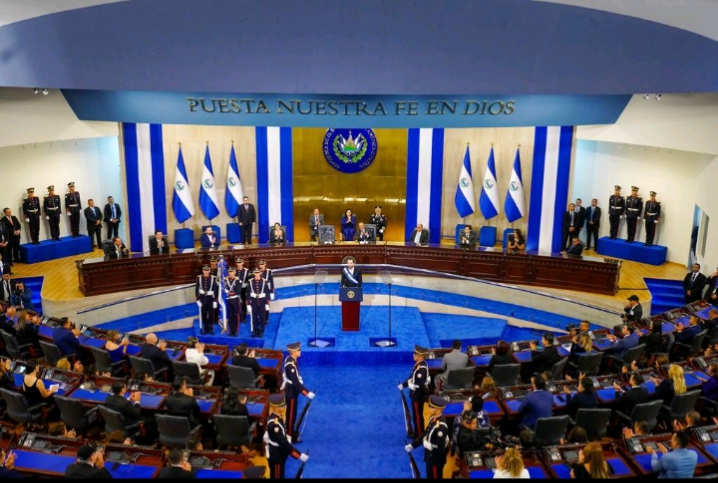
Supporters of the bill argue that the tax will improve transparency in NGO financing, preventing what they describe as covert external influence on domestic affairs. Suecy Callejas, a legislator from the ruling New Ideas party, stated that the measure is intended to ensure that foreign funds are properly regulated and taxed, with the resulting revenue redirected toward public and social interest initiatives. The law also mandates that affected organizations register with the government, though further details on compliance and enforcement have not yet been disclosed.
Opponents, including human rights groups and civil society organizations, have strongly condemned the measure, viewing it as an attempt to stifle dissent and limit external support for organizations focused on accountability, democracy, and social justice. Many warn that the tax could significantly reduce funding for NGOs working in humanitarian aid, education, and democratic governance.
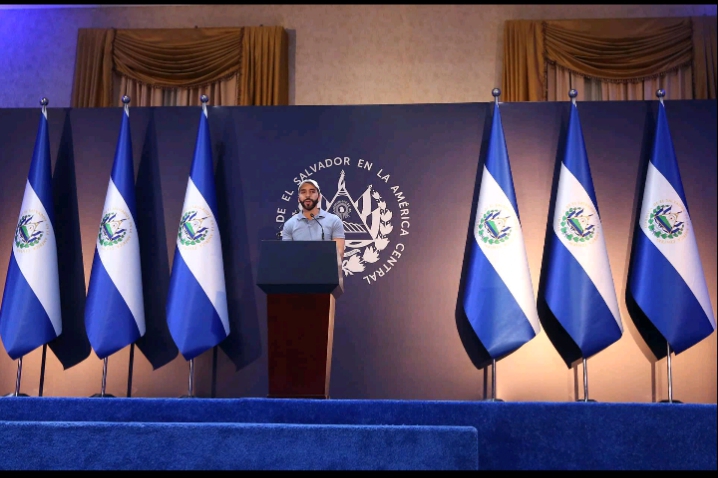
International organizations have expressed concern that El Salvador may be following the path of other governments that have imposed restrictions on foreign-funded groups in efforts to control civic engagement. Observers believe the move could further consolidate state power under President Nayib Bukele’s administration, which has previously faced criticism over its approach to governance and transparency.
The law’s implementation will be closely monitored, as it could have far-reaching consequences for El Salvador’s civil society landscape. Organizations reliant on foreign funding may need to reconsider their operational strategies, while international donors could reevaluate their engagement with local NGOs due to the new tax burden. As the tax takes effect, stakeholders both within El Salvador and abroad are expected to assess its impact on human rights, development projects, and democratic participation in the country.