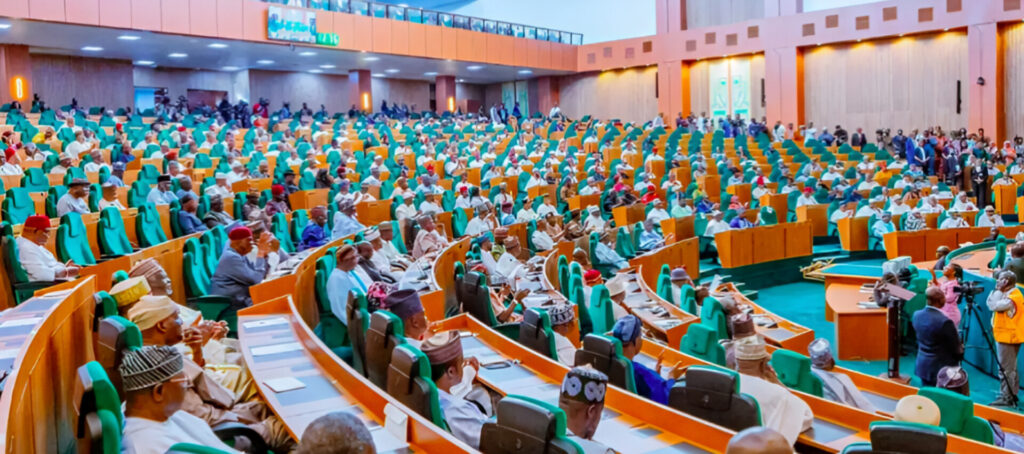
Nigeria’s House of Representatives has approved tougher penalties for electoral offences, including a 10-year jail term and a N75 million fine for forgery and destruction of election documents.
The decision was reached during plenary on Tuesday as lawmakers considered amendments to the Electoral Act 2022, aimed at strengthening Nigeria’s electoral framework and curbing persistent electoral malpractice.
Under the approved amendments, any individual found guilty of forging nomination papers, falsifying election results, or deliberately destroying official electoral documents will face up to 10 years imprisonment, a fine of N75 million, or both. The new penalty represents an increase from the previous N50 million fine stipulated in the existing law.
The House also approved a N5 million fine for the improper use of a voter’s card, reinforcing sanctions against identity-related electoral violations.
However, lawmakers rejected a proposal seeking to impose a two-year jail term on individuals who financially or materially induce delegates during party primaries, congresses, or conventions. Members argued that such a provision could be misused for political intimidation and may undermine internal party processes.
In another significant change, the House reviewed provisions on over-voting. The amendment removes the automatic cancellation of election results and conduct of fresh polls where over-voting occurs. Instead, excess votes will be proportionately deducted from all candidates at the affected polling unit, while the Presiding Officer responsible may face prosecution.
Chairman of the House Committee on Electoral Matters, Hon. Adebayo Balogun, explained that the amendments are part of broader efforts to close gaps identified in the Electoral Act following recent elections. He noted that although more expansive reforms were initially proposed, only measures with broad legislative support were adopted.
The amendments are expected to serve as a stronger deterrent against electoral fraud and improve accountability among political actors and electoral officials. The bill will proceed through the remaining legislative process before being transmitted for presidential assent.