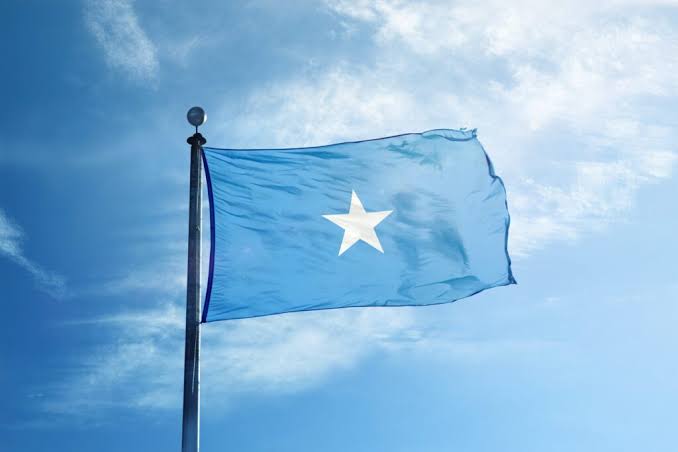
U.S. President Donald Trump has triggered international outrage after delivering a series of harsh and demeaning remarks targeting Somalia and Somali immigrants. His latest statements made during a campaign-style event and high-level government meetings have drawn condemnation from African leaders, human rights groups, and immigrant communities across the United States.
What President Trump Said
At a major speech in Pennsylvania, President Trump described Somalia as a “filthy, dirty, disgusting” country that is “ridden with crime.” Global observers have criticized the remarks as inflammatory and racist. He also referred to Somali immigrants in the United States as “garbage,” claiming they “contribute nothing” to the country.
In a separate Cabinet meeting, he stated that Somali immigrants “should go back and fix their homeland,” comments that immediately sparked backlash across diplomatic and media spaces.
Somalia Responds
Somalia’s Defence Minister strongly criticized the comments, calling them unacceptable and asserting that Somali people will not accept being demeaned. He emphasized that the Somali nation is resilient and rejects any attempt to undermine its dignity.
Somali officials are reportedly considering a formal diplomatic protest because of concerns about the escalating tone of Washington’s rhetoric.
Impact on Somali Communities in the United States
The president’s remarks have intensified fear and anxiety within Somali communities across America, especially in Minnesota which hosts one of the largest Somali populations outside Africa. Community leaders say Trump’s statements have deepened concerns about discrimination, immigration raids, and public hostility.
Analysts note that these remarks align with the administration’s increasingly strict immigration posture, including the suspension of asylum decisions from Somalia and several other countries.
Criticism From Analysts and Lawmakers
Human rights advocates and commentators have condemned the president’s language as xenophobic and damaging to global diplomacy. Editorial writers have described the comments as a dangerous escalation that threatens social cohesion and democratic values.
U.S. lawmakers, particularly those representing districts with large Somali-American populations, have demanded formal apologies and urged the administration to promote unity rather than division.
Wider Political and Diplomatic Implications
President Trump’s remarks are widely seen as part of a broader political strategy built on hardline immigration messaging. Foreign policy experts warn that continued verbal attacks on Somali immigrants could destabilize U.S.–Africa relations and hinder cooperation on counterterrorism, trade, and humanitarian aid.
Diplomats caution that rhetoric of this nature undermines the United States’ global standing at a time when international partnerships are increasingly important.
Conclusion
President Trump’s recent comments about Somalia have fueled a wave of global criticism, sparked diplomatic concern, and heightened anxiety within immigrant communities in the United States. As calls for accountability grow, the controversy highlights the tension between political speech and responsible leadership in a deeply interconnected world.