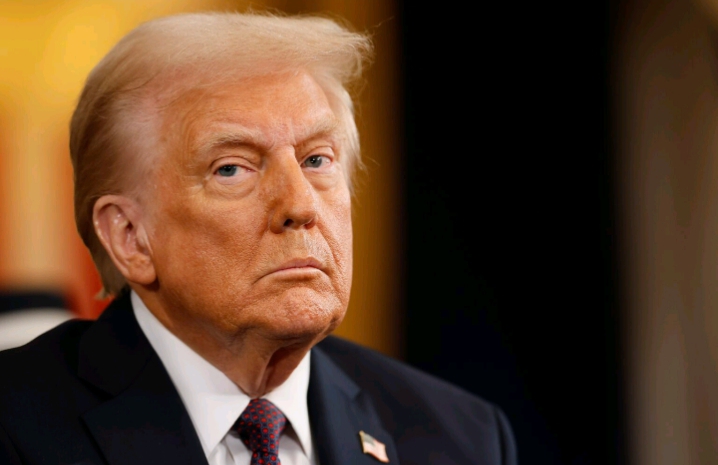
In a controversial and sweeping move that has drawn sharp criticism from across the academic and international community, President Donald J. Trump on Wednesday signed an executive proclamation suspending the issuance of new visas for international students intending to study at Harvard University.
The proclamation, which forms part of a broader effort to reshape U.S. immigration and higher education policy, was announced from the White House in what officials described as a step to “safeguard national interests and protect American institutions from undue foreign influence.”
Key Provisions of the Order
According to the directive, the U.S. Department of State has been instructed to suspend the processing and issuance of new F-1 and J-1 visas for all prospective international students seeking enrollment at Harvard. The order further authorizes a review of existing visas held by current Harvard international students, with possible revocation for those found to be “in breach of national security thresholds.”
In a press briefing, White House Press Secretary Karen Evans claimed the decision was based on intelligence reports suggesting that certain foreign actors, particularly from China, had used academic channels to influence or access sensitive research initiatives at the institution.
Harvard University Reacts
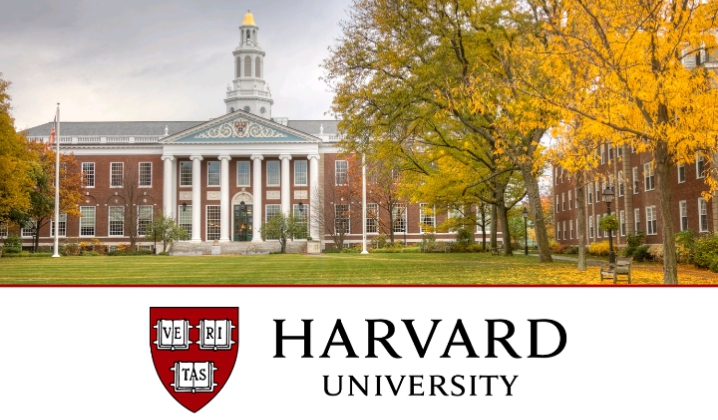
Harvard University, one of the world’s most prestigious academic institutions, has denounced the order in the strongest terms. In a public statement released shortly after the proclamation, Harvard President Dr. Alan Garber called the action “unlawful, discriminatory, and fundamentally un-American.”
“This decision threatens the very foundation of global academic cooperation and undermines decades of leadership in international education. Harvard stands with its students—past, present, and future—and will not allow politics to obstruct learning,” Garber said.
The university has since filed a legal challenge against the executive order in federal court, seeking immediate injunctive relief.
Broader Policy Context
This latest move comes in the wake of several other measures introduced during Trump’s second term that have reshaped the U.S. immigration landscape. In January, Executive Order 14188 directed federal agencies to investigate foreign funding in universities and intensified scrutiny over visa applicants. By May, the Department of Homeland Security temporarily revoked Harvard’s SEVP (Student and Exchange Visitor Program) certification—an action that was later paused by a federal court.
Analysts suggest the administration’s recent policies reflect a growing distrust of international presence in American institutions, particularly as global tensions with China continue to mount.
Impact on Students and Higher Education
The implications of the proclamation are profound. Thousands of international students who had secured admission into Harvard for the Fall 2025 academic session are now left in limbo. Many had already made financial and logistical commitments ahead of the new semester.
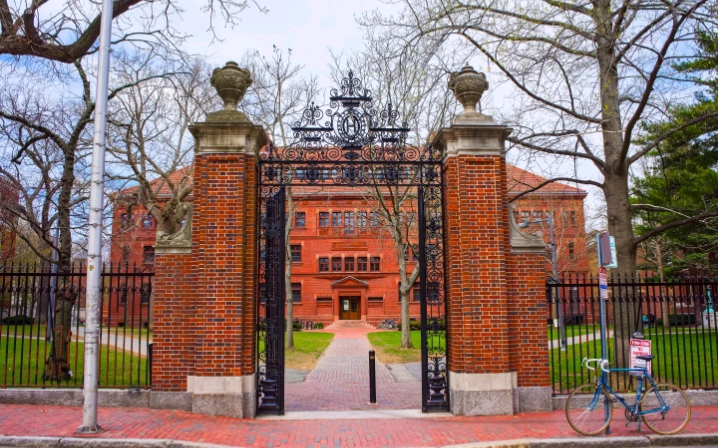
“This is devastating,” said Amanda Lee, a South Korean student who had received a full scholarship to Harvard’s Graduate School of Education. “I worked for years to get here, only to be told my presence is now a security threat.”
Universities across the country have expressed solidarity with Harvard, with some institutions offering to admit displaced students or explore collaborative legal responses.
Global Repercussions
International leaders and diplomatic missions have also responded with concern. The European Union’s education envoy condemned the order as “an attack on academic freedom,” while China’s Ministry of Foreign Affairs labeled the move as “xenophobic and contrary to global educational values.”
Experts warn that this action could weaken the United States’ position as a global hub for higher education. “When a nation begins shutting its doors to talent, innovation suffers,” said Dr. Philip Nguyen, an international education policy expert. “The long-term damage may take years to repair.”
Looking Ahead
As legal battles unfold and international pressure mounts, the future remains uncertain for Harvard’s global student community. While the Trump administration maintains that the proclamation is essential for national security, critics argue that it may instead compromise the very ideals that have made U.S. education a beacon for global excellence.
FactSphere will continue to monitor developments and provide updates as the situation evolves.